
Your go-to-market partner
Funded businesses fail on distribution, not technology.
Distribution is the constraint, and it is rarely the one founders budget for. A product that works still needs someone to put it in front of the buyers who will pay for it, the partners who will carry it, and the funds who will back the next round; none of that happens because the technology is good.
So we build the distribution and then run it. We source and sign the partnerships, open the client conversations, manage the agencies, PR and legal around you, and support the raise with investor research and warm introductions through our network.







Our ideal client profile
Built for the 1% of serious founders making an impact.
We work with venture-backed startups, revenue generating businesses and enterprises entering a new market.
What we do
How we support your revenue growth.
Our go-to-market offering covers three main pillars, discovery, market penetration, and brand growth, all intertwining to grow revenue.


How we do it
Our ten stage process.
Our go-to-market offering includes a ten stage process, outlined below.
Stage 01
The discovery sets the framework for our distribution engagements, this is the work that paves the path to ensure we bring results that drive revenue and help you reach the $3M ARR mark.
Stage 02
We help projects get integrated into the right ecosystem, opening doors to grants, technical support, partnerships, and immediate clients. Our warm connections make this process seamless and instant.








Stage 03
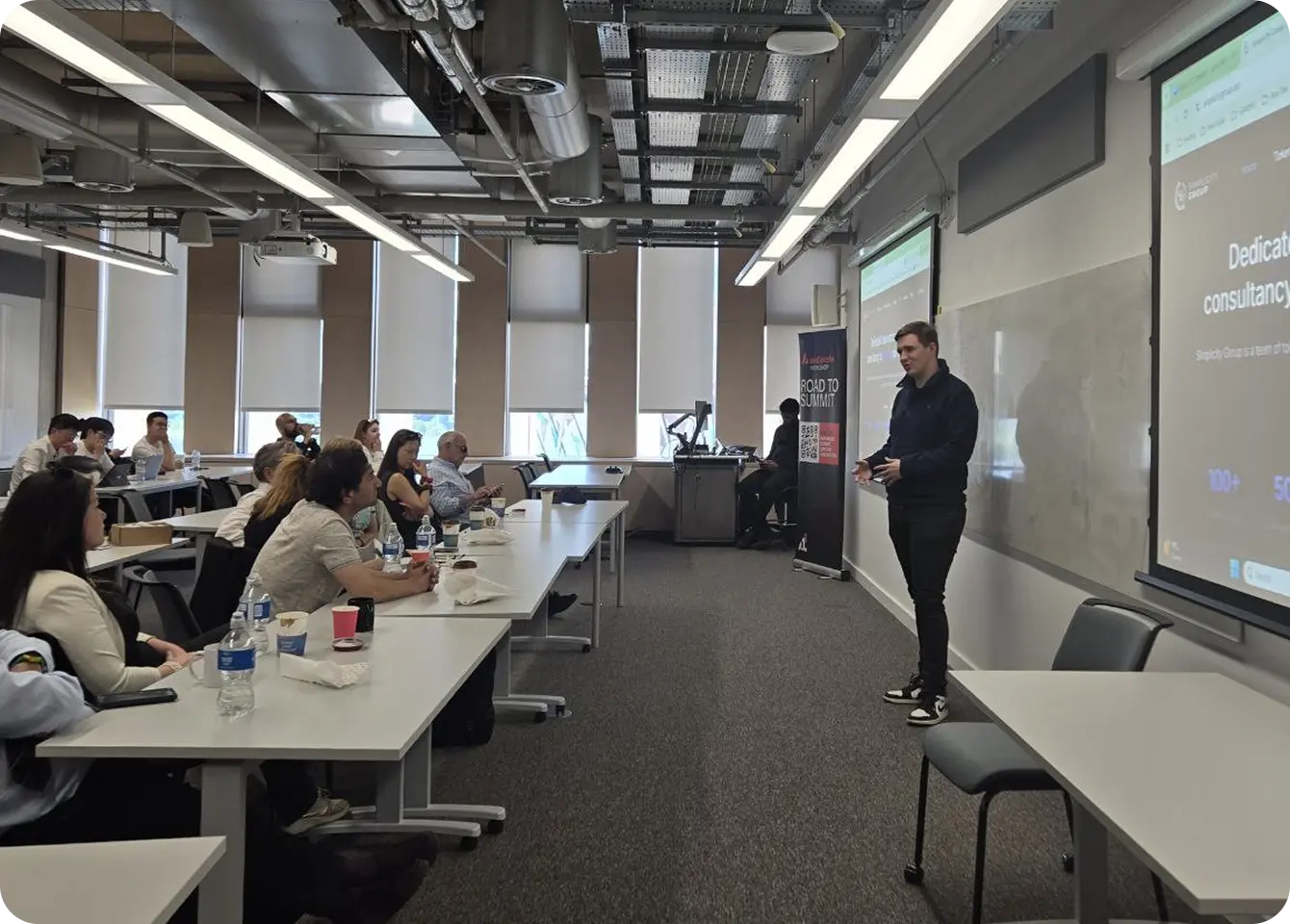
We introduce you to new clients. On bigger deals, we help you close them: building custom decks/proposals, and managing the relationship. This scales through partnerships built for growth, not cosmetics.













Stage 04
Your buyers begin with a search, whether they type it into Google or ask an AI assistant. SEO gets you into the traditional results and GEO gets you into the answers that Claude, ChatGPT, and AI Overviews return.

Stage 05

Stage 06
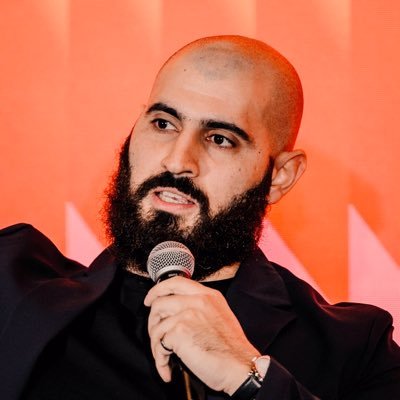
A KOL campaign only converts when the creator’s audience overlaps with your ICP. We pick KOLs on audience fit rather than follower count, brief them properly, and negotiate directly with the creator.









Stage 07
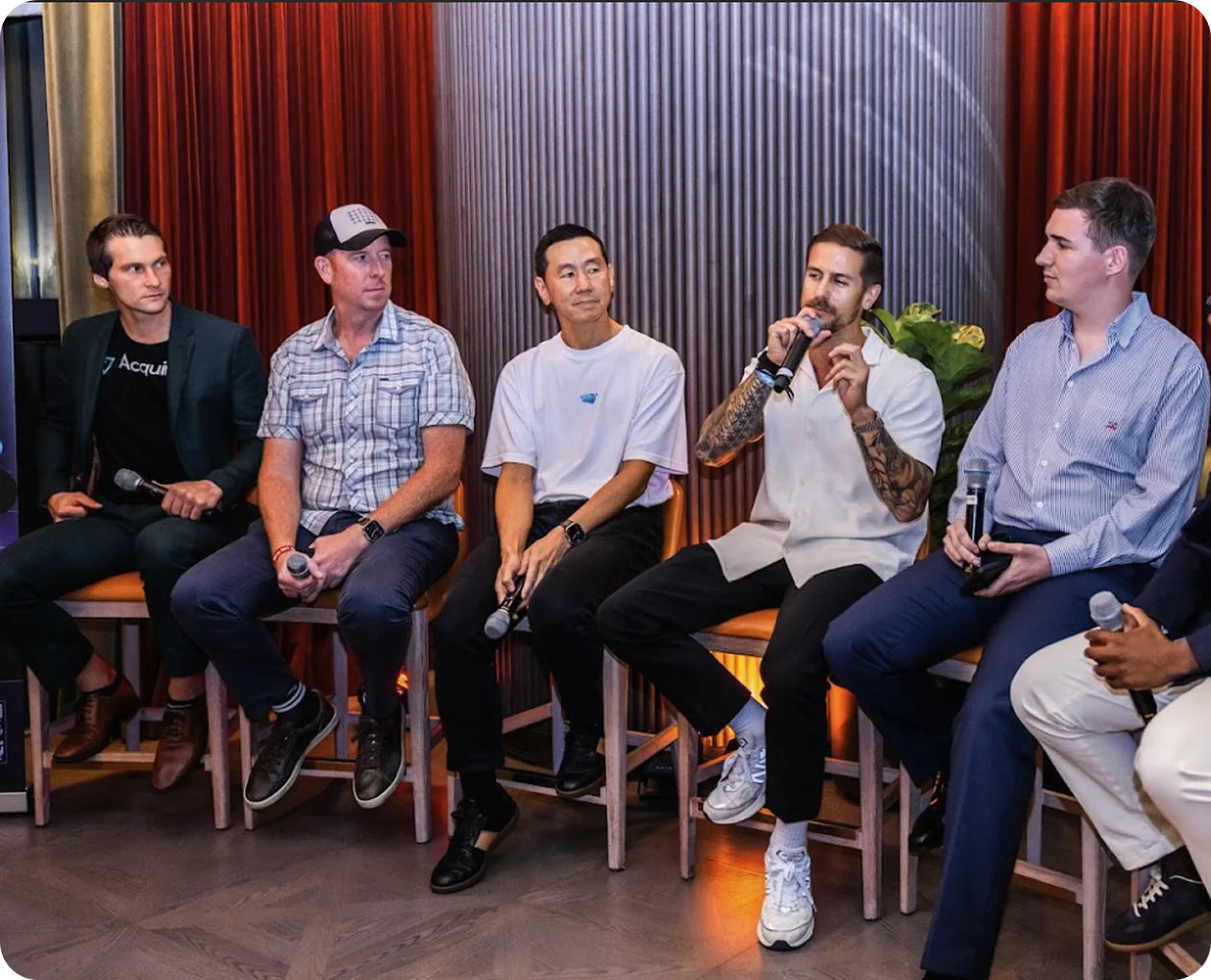
We don’t buy you a slot at someone else’s event; we make the whole event about you. Informal bar nights, official demo days, private dinners — we facilitate the best format and in person introductions.
Stage 08
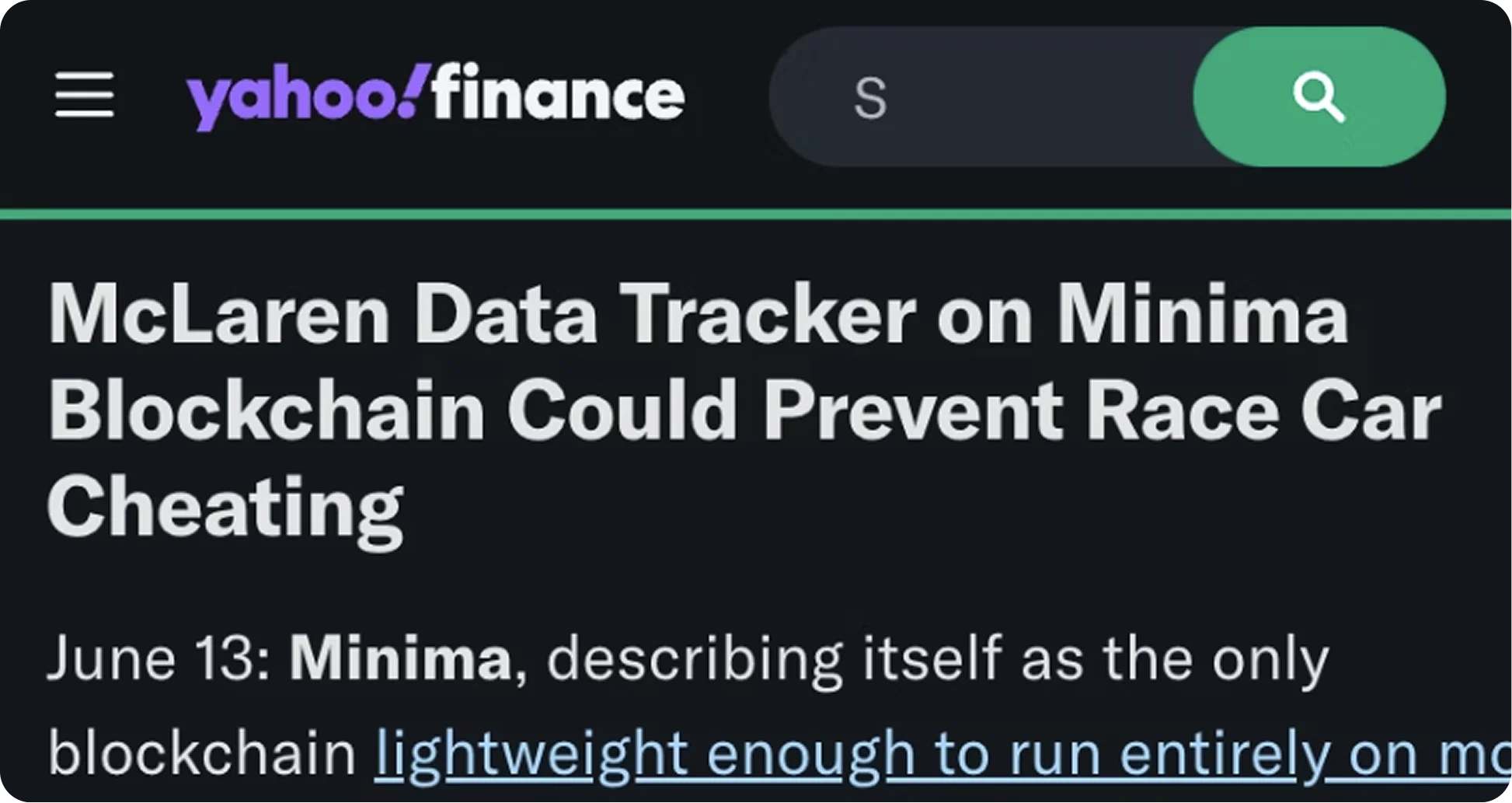
We work with our PR partner to get you into mainstream media. They’ve already placed clients on Bloomberg, BBC, the Financial Times, CNBC, FintechTV, and Fox Business, among others.
Stage 09
Socials are where every other stage becomes visible: your positioning, your partnerships, and your campaigns all meet in one feed. We run your social channels so every post reinforces one story.
Stage 10
With traction building, we open the doors to the investors and capital partners who back projects like yours. We leverage our network of venture capital, family office, hedge fund, and other investment firms to help close rounds, grow TVL, or bolster liquidity.


















and many more
The problem faced by seed funded startups
Why funded companies stall between seed and Series A.
Each of these is a distribution problem. Distribution is the work we do.
Frequently asked questions
01
What is a go-to-market strategy for an AI business?
A go-to-market strategy is the full system for turning a product into revenue: positioning, ideal customer profile, pricing, distribution channels, partnerships, and the campaigns that drive adoption. For an AI business it also has to answer the questions buyers now ask by default: why you rather than an incumbent adding an AI feature, why a dedicated product rather than a general model, and how you prove outcomes rather than demos.
02
What is the difference between go-to-market and marketing?
Marketing is one channel within go-to-market, not a substitute for it. Marketing handles awareness and demand through content, social, PR, and paid media, whereas go-to-market is the wider system that sets who you sell to, how you are positioned, how you price, and which distribution and partnership motions actually reach buyers. Most AI startups buy marketing (content, paid ads, a launch push) before positioning and ICP are settled, so the spend produces impressions rather than pipeline.
03
How is Simplicity different from a growth or marketing agency?
An agency sells channels: paid ads, content, PR, outbound sequences. We start a layer below, with the strategy that decides whether those channels are even the right ones; positioning, ICP, pricing, partnerships, and the sequence of campaigns. We then execute against that plan and bring in specialist providers where needed, so spend is directed by strategy rather than the other way round.
04
Our product is strong. Why would we need distribution help?
Because in AI the technology is the least defensible part of the business. Model capability converges quickly: a feature that differentiates you today ships in a competitor's release or a foundation model update within months. Distribution does not converge; the category position, partnerships, and pipeline you build compound and are expensive to replicate. Category winners are rarely the companies with the best model, they are the companies that reached the market first and locked in the channels.
05
What types of AI businesses does Simplicity Group work with?
Three groups: vertical AI startups selling into a specific industry, AI dev-tool companies growing through developer adoption, and consumer AI apps growing through social and creator-led channels. The common profile is a funded company between seed and Series A. We also run a separate practice for digital asset businesses; if you sit across both, we cover both.
06
What stage should we be at to work with Simplicity Group?
We work best with seed-funded AI companies closing the gap to Series A, and with enterprises moving AI from pilot to production. The common thread is a real product in the market or close to it, the resources to execute, and readiness to commit to at least three months.
07
How much does Simplicity Group's GTM service cost?
Go-to-market advisory starts at $5,000 per month on a retainer, with the exact figure set by scope and stage. We scope every engagement to the business before quoting, so you are not paying for services you do not need.
08
What is the minimum commitment?
Three months. The first two weeks are deep research and the build of your go-to-market plan; months one to three are hands-on execution against it, closing with a review of performance against KPIs. Most clients continue beyond the first quarter with rolling execution and a refreshed plan each quarter.
09
What does Simplicity Group deliver in the first month?
Month one produces your go-to-market plan: a researched document covering business overview, goals, positioning and narrative, customer personas, market and competitor analysis, partnership strategy, a market penetration plan, and a costed execution timeline. It is built to be executed, and we begin acting on it inside the same month.
10
Does Simplicity Group only create the strategy, or execute it too?
Both. The plan is the starting point, not the deliverable. We run the penetration campaigns, source and manage partnerships and introductions through our network, bring in specialist providers across PR, legal, and design, handle marketing execution where it applies, and onboard advisers or team members where that strengthens the push into market.
11
Can Simplicity Group help us raise a Series A or connect with investors?
Fundraising support is part of the engagement. We sharpen the narrative and materials investors respond to, prepare you for the metrics a Series A conversation will test, and make introductions through our network where there is a genuine fit. We do not guarantee capital, and we are straight about when an introduction is and is not the right one.
12
How does Simplicity Group measure success?
Against KPIs agreed at the start of the engagement, not vanity metrics. The plan defines the targets that matter for your stage, whether that is qualified pipeline, partnerships signed, ARR added, or capital raised, and we review performance against them at the three-month mark and each quarter after.
13
How do you sell AI into enterprises that have been burned by a pilot?
By selling the outcome, not the model. We build proof-led entry points: a scoped pilot with agreed success criteria, reference cases from the same industry, and pricing that shifts risk away from the buyer until value is proven.
14
Where is Simplicity Group based, and which regions do you cover?
We operate from the UK and Dubai and run market entry for clients into the UK, Europe, MENA, and Southeast Asia. The Gulf base matters for AI companies as much as digital asset ones: enterprise AI adoption and sovereign capital in the region are moving faster than most Western markets, and we work directly within those ecosystems.
15
What if our AI product has no technical moat?
Most AI products do not; model capability is rented, not owned. The defensible layer is distribution: owned audience, workflow integration, proprietary data from usage, and switching costs. We build the go-to-market that compounds those while competitors chase benchmarks.
16
Does Simplicity Group also work with Digital Asset businesses?
Yes. Distribution and go-to-market for digital asset businesses is our second practice, alongside tokenomics consulting for projects with a token. The full breakdown is on our Digital Assets page.